





















Against the backdrop of the advancing "Dual Carbon" strategy and a surging corporate demand for energy conservation and consumption reduction, biomass pellets have emerged as a premium clean energy source. Produced from processed agricultural and forestry waste, they offer the dual advantages of cost-effectiveness and environmental sustainability, making them an ideal substitute for coal and natural gas in industrial and residential heating sectors.
Regarding cost reduction and efficiency, biomass pellets effectively lower comprehensive energy costs for enterprises. Derived primarily from agricultural and forestry waste—such as straw, sawdust, and tree branches—these pellets benefit from abundant raw material sources and low recovery costs; once solidified and molded, they exhibit high density and stable calorific value. Compared to traditional coal, biomass pellets achieve a combustion utilization rate exceeding 85%—far surpassing coal's efficiency of around 70%—thereby significantly reducing fuel consumption for the same heat output. Furthermore, the fuel contains minimal impurities and very low ash content, drastically cutting the labor and material costs associated with boiler ash removal and equipment maintenance. Additionally, using biomass pellets helps avoid extra expenses such as environmental fines and carbon taxes linked to coal use; in certain industrial applications, this can reduce overall energy costs by 15%–20%, easing the financial burden on enterprises while boosting efficiency.
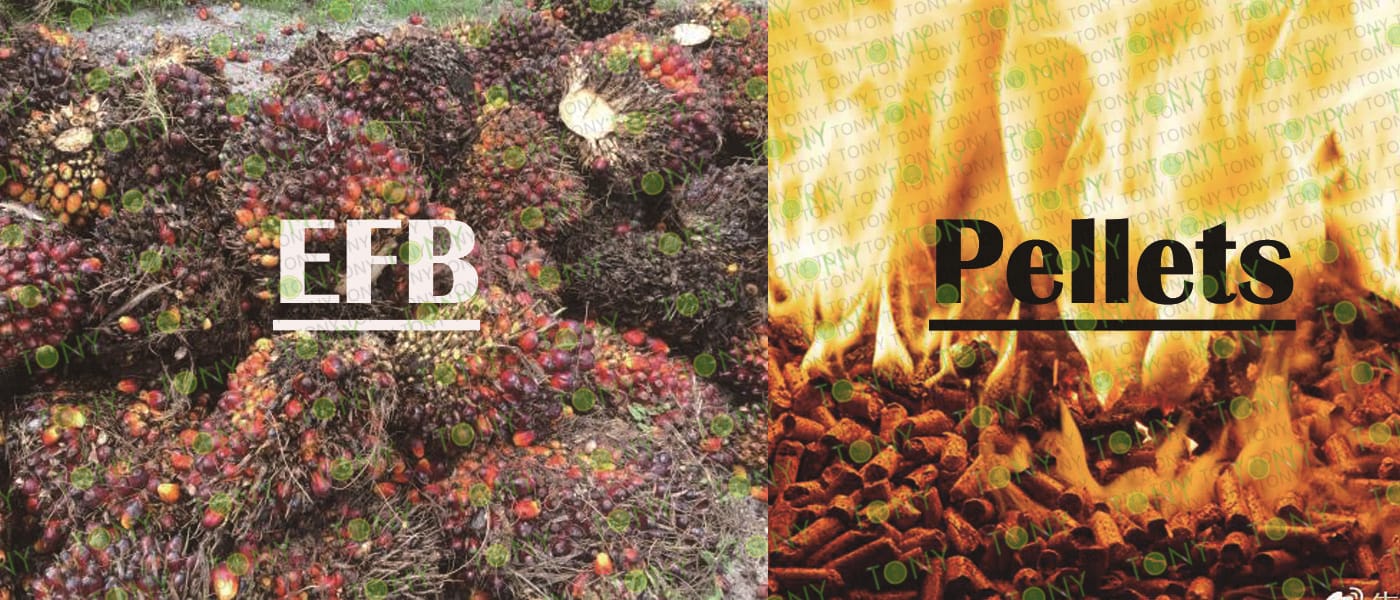
In terms of emissions reduction and environmental protection, biomass pellets stand out for their green, low-carbon profile, contributing to ecological preservation. With extremely low sulfur and nitrogen content, they reduce sulfur dioxide and nitrogen oxide emissions by over 80% compared to coal, while keeping smoke and dust concentrations well below national regulatory limits. Moreover, biomass fuel is carbon-neutral; the carbon dioxide absorbed during the growth of the raw materials offsets the carbon released during combustion, resulting in no net increase in atmospheric carbon. Using one ton of biomass pellets can reduce carbon dioxide emissions by approximately 1.5 tons. They also effectively address pollution issues caused by the open burning or landfilling of agricultural and forestry waste, enabling the resource utilization of waste materials.
In summary, biomass pellets balance economic and ecological benefits, perfectly aligning with the philosophy of green, low-carbon development. As a clean energy source that offers both cost-effectiveness and environmental advantages, they hold promising prospects for widespread adoption and application.